
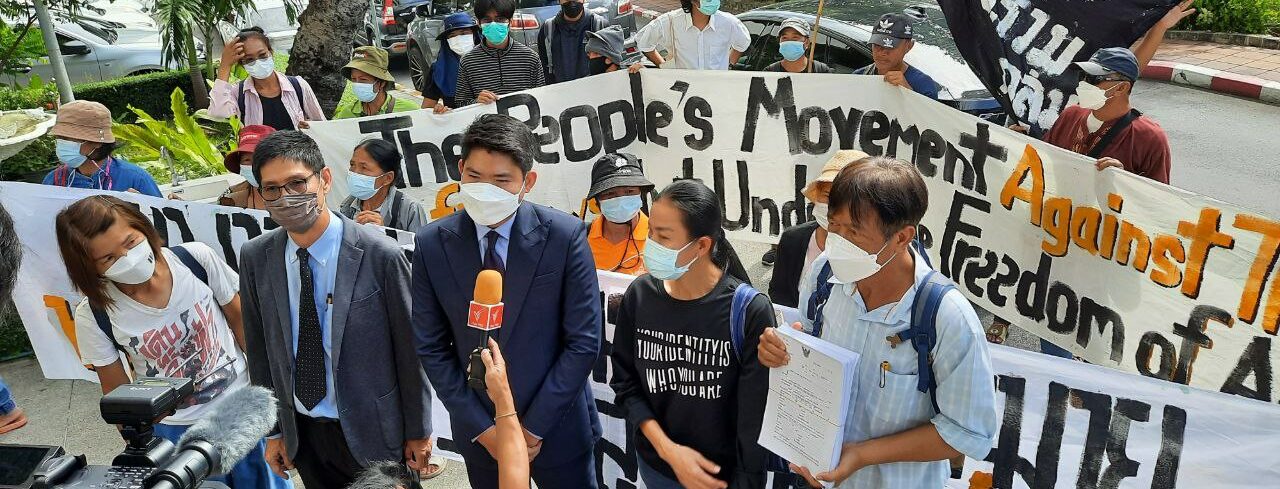
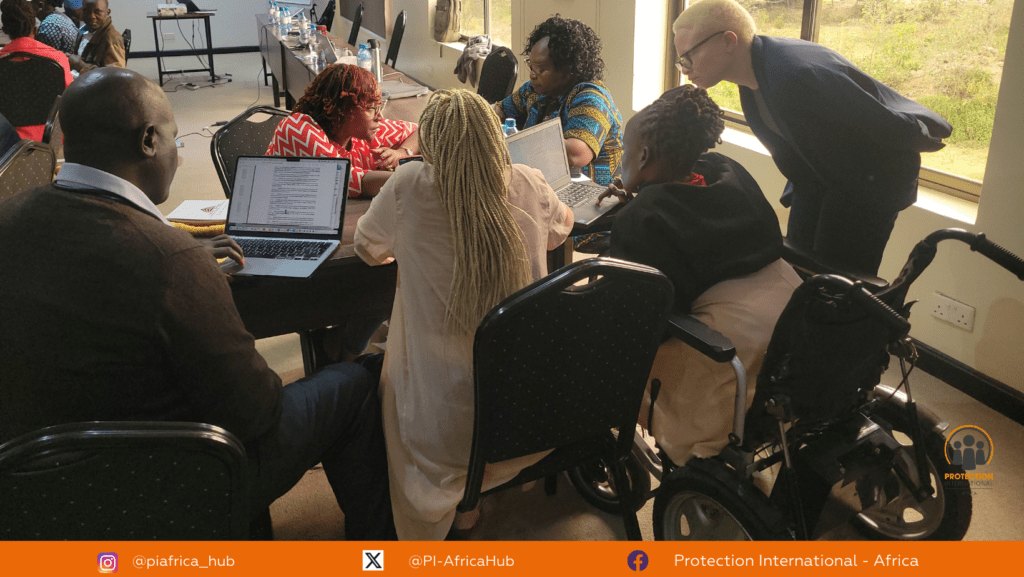
As the world celebrates the International Day of Persons with Disabilities (3 December), we are reminded of a timeless truth: Real progress is built when movements rise together.
From climate justice to gender equality, from labor rights to freedom of expression. Social movements everywhere are gaining momentum. Yet, to reach their full potential, they must ensure that no one is left behind. Inclusion is not simply an act of fairness, it is the force that makes every movement stronger.
This day invites us to celebrate the contributions of persons with disabilities as leaders, innovators, and changemakers. It’s a moment to move beyond awareness toward solidarity and shared action, where every movement; local, regional, and global recognizes that disability inclusion is not an addition, but a foundation for justice and equality.
A Shared Vision of Justice
Picture this:
A young woman with a disability joins a climate march. The chants call for freedom, equality, dignity. The moment she’s offered a ramp instead of stairs, a seat at the table instead of a token mention, the movement becomes stronger, not just for her, but for everyone.
That is what true inclusion looks like. Not charity, but shared progress.
Across the world, the disability movement has demonstrated remarkable resilience, creativity, and leadership. As persons with disabilities make up 16% of the global population, every movement that embraces inclusion gains a deeper reach and a more powerful voice.
In a world shaped by global challenges, from pandemics to climate change and economic inequality, cross-movement solidarity is no longer optional; it’s essential.
Why Solidarity Works
When movements connect, their impact multiplies.
Disability rights are intertwined with every social cause. Inclusive climate action saves more lives. Gender equality becomes richer when it reflects the experiences of women and girls with disabilities. And the human rights defenders movement grows stronger when defenders with disabilities are visible and supported.
The feminist movement’s journey toward inclusion offers inspiration: when gender perspectives were woven into every policy space, progress accelerated. The same is true for disability. When inclusion is intentional, everyone benefits.
Building Bridges, Not Barriers
Creating solidarity starts with small but powerful actions: listening, collaborating, and opening doors. It means seeing disability not as a limitation, but as a lens that broadens our understanding of justice, participation, and equality.
- At the national level: Disability organizations can partner with other human rights defenders’ groups to create shared solutions that reach more people.
- At the regional level: Platforms like the African Union, European Union, and ASEAN can lead the way by embedding disability inclusion in their agendas and fostering cross-movement dialogue.
- At the global level: In every human rights and development forum, accessibility must be a standard, not a favor.
Through leadership: When persons with disabilities take the lead, they bridge divides and bring fresh insight to collective advocacy. Each collaboration plants a seed for a more inclusive world.
A Collective Future
As we mark this year’s International Day of Persons with Disabilities, let’s celebrate solidarity in action. Let’s recognize that the disability movement is not a parallel struggle, but a partner in shaping our shared future.
When movements unite, they do more than advocate. They build hope, amplify impact, and create lasting change.
Because true justice is not about one movement’s victory, it’s about our collective strength.
When every movement makes room for disability inclusion, the world doesn’t just become fairer, it becomes wiser, kinder, and unstoppable.
Together, we rise! Stronger, louder, and more inclusive than ever before.